MDMA
270 € – 740 €Price range: 270 € through 740 €
MDMA information, what is MDMA, MDMA effects, MDMA risks, MDMA harm reduction, MDMA legal status, MDMA research, ecstasy facts, molly guide
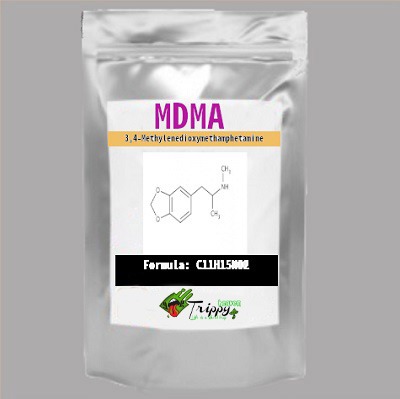
(3,4‑methylenedioxymethamphetamine), commonly known as ecstasy or molly, is a psychoactive substance that alters mood and perception. It is often associated with party culture and electronic music events. Although some research explores potential therapeutic uses, MDMA remains illegal in many regions and carries significant health risks.
Key Facts
-
MDMA is a synthetic drug.
-
It affects serotonin, dopamine, and norepinephrine in the brain.
-
It can induce feelings of empathy, euphoria, and increased energy.
How Does MDMA Affect the Brain and Body?
MDMA works by releasing large amounts of serotonin, a neurotransmitter linked to mood regulation. This surge can produce intensely positive emotions, but it also depletes serotonin stores, leading to possible negative aftereffects.
Common Short‑Term Effects
-
Emotional warmth and empathy
-
Euphoria and heightened sensory perception
-
Increased heart rate and blood pressure
-
Muscle tension and jaw clenching
-
Sweating and dehydration
Potential Negative Effects
-
Confusion and anxiety
-
Sleep disturbances
-
Nausea
-
Hyperthermia (dangerous rise in body temperature)
Risks and Dangers of MDMA Use
MDMA carries serious health risks, especially when used in uncontrolled settings. Combining it with other substances, using high doses, or overheating can lead to life‑threatening complications.
Dehydration and Hyperthermia
In hot environments like clubs, MDMA can increase body temperature. If combined with vigorous activity and inadequate hydration, this can lead to dangerously high temperatures.
Serotonin Syndrome
Excessive serotonin levels can result in a condition called serotonin syndrome, which can be fatal if untreated. Symptoms include agitation, rapid heart rate, and high blood pressure.
Long‑Term Mental Health Impact
Regular MDMA use can disrupt normal serotonin systems. This may increase risks of mood disorders, memory issues, and sleep disruption.
Legal Status Around the World
MDMA is classified as a controlled substance in most countries, meaning production, possession, or distribution is illegal and subject to criminal penalties. Some regions are exploring research into MDMA‑assisted psychotherapy, but this is highly regulated.
Harm‑Reduction Tips (Evidence‑Based Only)
If someone chooses to use MDMA despite the risks, harm‑reduction practices can reduce potential harm — though no use is completely safe.
Practical Safety Tips
-
Test substances with a reagent kit to check purity.
-
Stay hydrated — drink small amounts of water regularly.
-
Take breaks from physical exertion or heat.
-
Never mix MDMA with alcohol or other drugs.
-
Have a trusted sober person present.
What the Research Says
There is ongoing clinical research into MDMA‑assisted therapy for PTSD and other conditions. Some early findings suggest controlled, therapeutic use under medical supervision may provide benefits for specific populations. However, this research is not the same as recreational use, and strict protocols are enforced.
| Quantity | 1 ounce, 1\2 ounce, 5 ounce |
|---|
Reviews
There are no reviews yet.